Free inspections, advanced liquid barrier treatments, and damage warranties from Southern Utah's most trusted pest control team.
Wernex Termite & Pest Control provides professional termite inspections and treatments for homes and businesses across St. George, Washington, Hurricane, Ivins, Santa Clara, and all of Washington County. Services include free termite inspections, liquid barrier treatments with damage warranties, WDI reports for real estate closings, pre-construction treatments for new builds, and annual monitoring programs. Licensed, insured, 30+ years of experience. Call (435) 673-9503 for same-day scheduling.
St. George's warm climate, sandy soils, and long hot summers create conditions where subterranean termites thrive. Washington County sits in USDA hardiness zone 8b–9a — one of the warmest areas in Utah — and termite activity here runs from early spring through late fall, with colonies remaining active underground year-round.
Homes built on slab foundations are especially vulnerable because termites can enter through expansion joints, utility penetrations, and hairline cracks that are invisible from the surface. Properties near washes, irrigated landscaping, or with wood mulch against the foundation face even higher risk. Neighborhoods in Washington Fields, SunRiver, Desert Hills, and along the Santa Clara River corridor see some of the highest termite activity in the county.
The challenge with termites is that damage is often well underway before you see any signs. A mature colony can consume several pounds of wood per year, and because they feed from the inside out, structural framing can be severely compromised while the exterior surface looks completely normal. That is why annual inspections are critical for every St. George homeowner — even if your home is relatively new.

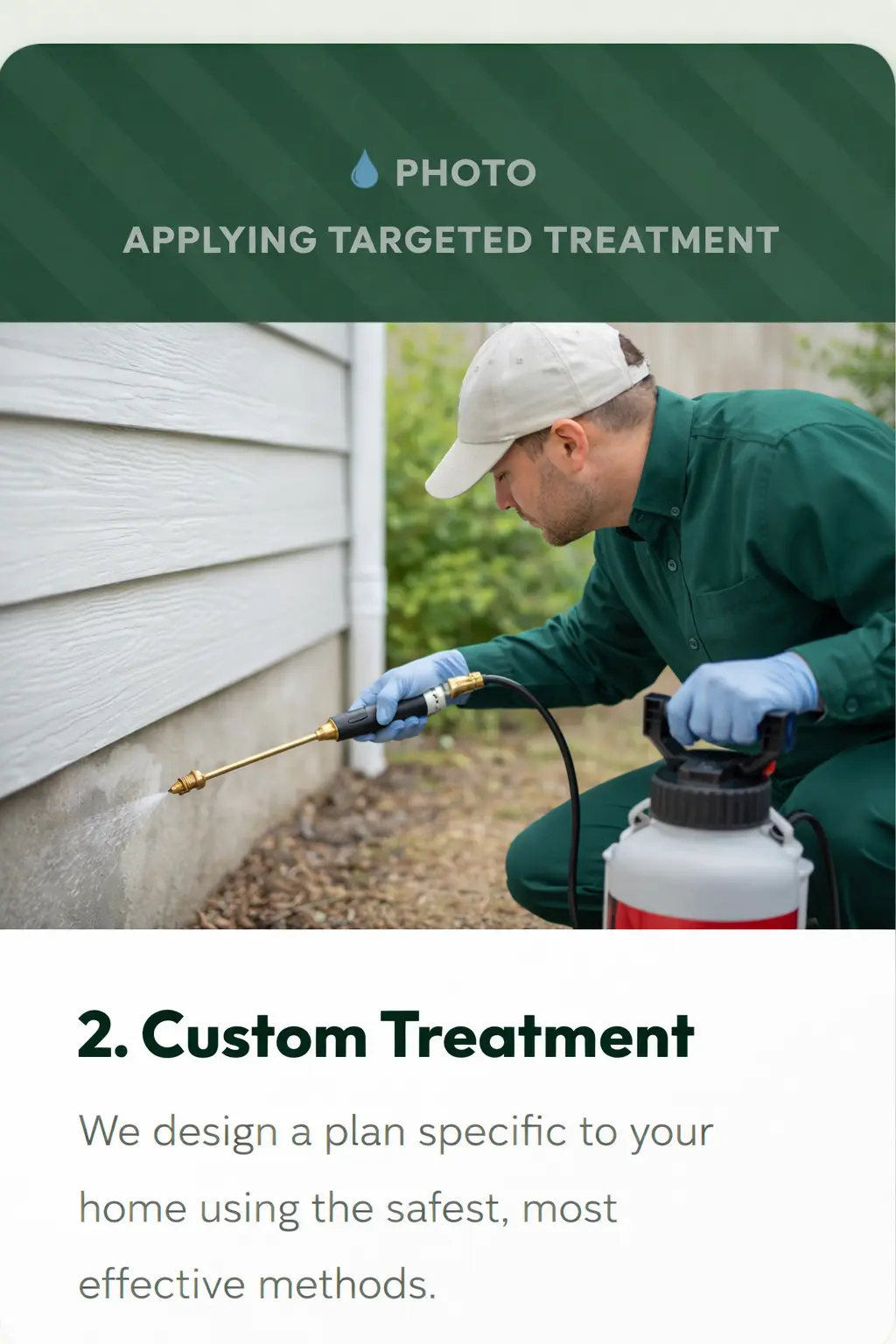
Our primary termite treatment. A continuous chemical barrier is applied around your foundation, eliminating termites on contact and preventing re-entry. Most homes are treated in a single day. Every treatment includes a damage warranty.
Wood-Destroying Insect inspections for real estate transactions. Required by most lenders before closing. Our licensed inspectors provide detailed reports with findings, photos, and treatment recommendations — typically within 24 hours.
Applied during the build phase before the slab is poured. This is the most effective and cost-efficient time to protect a home against termites — especially in St. George's high-risk soil conditions. Required or recommended by many builders.
Ongoing protection through annual inspections and monitoring stations placed around your property. We check for new activity, maintain barrier integrity, and adjust treatment as needed. Peace of mind for the long term.
Most termite infestations go unnoticed for months or years because the insects work inside walls, under floors, and in areas you rarely inspect. Here are the signs our technicians look for during an inspection — and what you can watch for between visits:
Mud tubes are pencil-width tunnels made of soil and termite saliva, typically found on foundation walls, piers, and plumbing penetrations. They allow termites to travel between their underground colony and the wood they are feeding on while staying protected from air and predators.
Frass (termite droppings) looks like fine sawdust or sand and often appears in small piles near baseboards, window sills, or door frames. Drywood termites — less common in St. George but present in some older homes — push frass out of small exit holes as they feed.
Swarmers are winged termites that emerge in spring, usually after a rain event. Finding discarded wings near windows or light fixtures is a strong indicator of an established colony nearby. In St. George, termite swarms most commonly occur between March and May.
Hollow-sounding wood when tapped, buckling paint, or sagging floors can indicate advanced damage. If you notice any of these, contact us immediately for an emergency inspection.
A licensed Wernex technician inspects the full interior and exterior of your home — foundation walls, crawl spaces, attics, garage, and all wood-to-soil contact points. We use moisture meters and probing tools to check areas where termites are most likely to be active.
After the inspection, you receive a written report with findings, photos of any activity or damage, and a clear treatment recommendation. For WDI reports, we follow NPMA-33 standards required by lenders. No pressure, no upselling — just honest assessment.
If treatment is needed, we schedule at your convenience — often within 48 hours. Liquid barrier treatments are completed in a single visit. Every treatment includes a damage warranty and follow-up monitoring to ensure the colony is fully eliminated.
"Wernex found termites in our garage that we had no idea about. They treated the whole house in one day and followed up a month later to make sure everything was clear. Very thorough."
"Needed a WDI inspection for our home sale. Wernex got us the report in under 24 hours and the buyer's lender accepted it immediately. Made the whole process painless."
Yes. St. George's warm, arid climate and sandy soils create favorable conditions for subterranean termites. Homes built on slab foundations and properties with wood-to-soil contact are particularly at risk. Wernex recommends annual termite inspections for all St. George and Washington County homeowners.
Wernex provides free termite inspections for St. George homeowners with no obligation. If you need a formal WDI (Wood-Destroying Insect) report for a real estate transaction, contact us for current pricing. Call (435) 673-9503 to schedule.
Wernex uses advanced liquid barrier treatments applied around your home's foundation to create a continuous chemical barrier that eliminates termites on contact. We also offer pre-construction treatments for new builds and annual monitoring programs. All treatments include a damage warranty. Learn more on our termite services page.
Most residential liquid barrier treatments in St. George are completed in a single day, typically 3–5 hours depending on the size of your home and the extent of the infestation. Your technician will give you a time estimate before starting work.